The business mandate
The mandate.
Make virtual care work beyond the video call. Patients needed to find the right specialist, connect conveniently, receive a documented plan and complete the recommended services without losing continuity between the app, the home and a physical facility.
Executive priorities
- Broaden specialist access. Provider discovery, availability, reviews and live communication supported a convenient entry point to care.
- Extend the digital encounter. Prescriptions, laboratory services and referrals connected the consultation to service completion.
- Preserve continuity. Notes and follow-up workflows linked virtual and in-person care across the provider network.
Beyond the video call. Specialist discovery and virtual consultations connect to a documented care plan, recommended services and follow-up across care settings.
Sand return path: follow-up with existing clinical context
Prescription workflows connect to home delivery.
Laboratory orders link to phlebotomy and specimen collection.
Referrals connect the patient to physical services.
Continuity by design: notes and follow-up workflows connect virtual and in-person care. The three service branches represent options based on the care plan, not services required after every encounter. Role-based access and data encryption formed part of the reported security architecture.
Reported scale and delivery
What was delivered. At what scale.
The platform reported 1.8 million users, 300,000 virtual consultations and a network of more than 300 providers across 14 specialties. The service offered on-demand chat and video access described as available in under 15 minutes, subject to provider availability.
Reported project figures. Selected experience of the team behind AIGard.
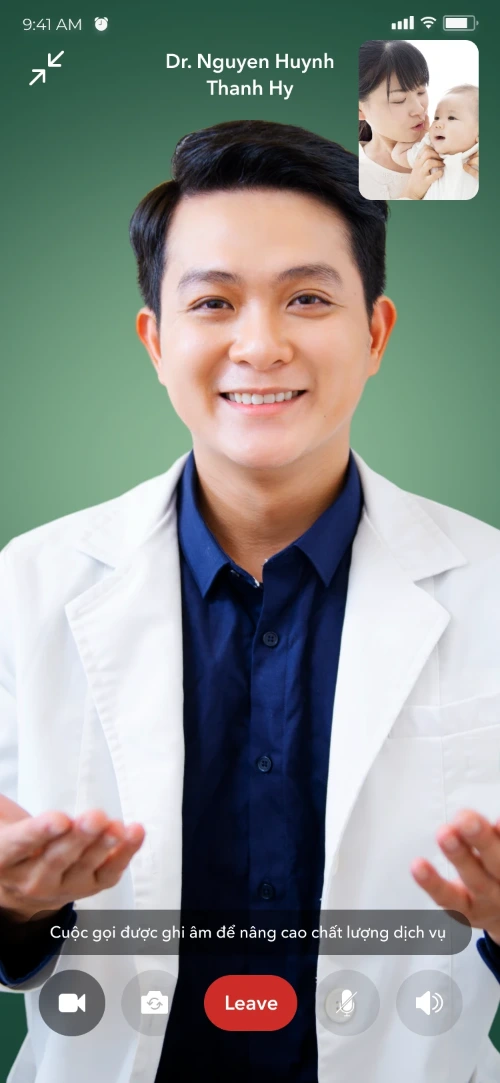 Video consultation
From scope to operations
The capabilities that connected the service journey.
Find the right provider
Patients could select a specialty, review provider profiles and patient reviews, and inspect individual availability, with discovery and scheduling in the same mobile experience.
Consult through the appropriate channel
iOS and Android applications supported chat, video and audio consultations, with secure call-quality management and both scheduled and on-demand access.
Keep the care plan accessible
Clinical notes and prescriptions remained accessible after the encounter, so follow-up encounters could build on the clinical context already established.
Connect prescriptions and diagnostics
Prescription workflows supported home medication delivery. Laboratory orders connected to home phlebotomy and specimen collection, with referrals linking to physical services.
Support transitions across care settings
The product connected follow-up and referrals across 14 specialties, with the patient record supporting continuity from a digital consultation to the service required next.
Governance and control
Role-based access control and data encryption formed part of the security architecture, alongside clinical documentation and provider workflows.
Technology and integration
The platforms behind delivery.
- Mobile application languages
- Swift, Kotlin
- Application development
- Java
- Cloud infrastructure
- AWS
- Communication platforms
- Twilio, Zoom
- Real-time media technology
- WebRTC
Twilio and Zoom are communication platforms. WebRTC describes the underlying real-time media technology. Technologies, equipment brands and companies are named to describe the work. They do not indicate endorsement or direct AIGard client relationships.
Relevance to enterprise leaders
Relevant to health systems and digital-care businesses extending specialist access while maintaining a connection to clinical operations. The scope combines mobile product delivery, communications, provider coordination and downstream healthcare services.
Discuss a virtual care platform that connects consultations to completed services.
Schedule a Call →More team experience
Other platforms our team has built.





Partner Pharmacy Platform
A commerce and supply platform for 3,600 partner pharmacies.
Read the case study
Remote Disease Management
Connecting home monitoring to health-plan action.
Read the case study
All Health
Conversational AI connected to diagnostic data and clinical care.
Read the case studyFAQ
Telemedicine App: frequently asked questions
What was delivered in the Telemedicine App project?
The team built a mobile care platform that connected specialist discovery and virtual consultations with prescriptions, diagnostics, home services and in-person referrals. The platform reported 1.8 million users and 300,000 virtual consultations across 14 specialties.
The platform reported 1.8 million users, 300,000 virtual consultations and a network of more than 300 providers across 14 specialties. The service offered on-demand chat and video access described as available in under 15 minutes, subject to provider availability.
What business problem did Telemedicine App address?
The mandate was to make virtual care work beyond the video call. Patients needed to find the right specialist, connect conveniently, receive a documented plan and complete the recommended services without losing continuity between the app, the home and a physical facility.
What capabilities did the Telemedicine App work include?
The work connected the following capabilities:
- Find the right provider. Patients could select a specialty, review provider profiles and patient reviews, and inspect individual availability, with discovery and scheduling in the same mobile experience.
- Consult through the appropriate channel. iOS and Android applications supported chat, video and audio consultations, with secure call-quality management and both scheduled and on-demand access.
- Keep the care plan accessible. Clinical notes and prescriptions remained accessible after the encounter, so follow-up encounters could build on the clinical context already established.
- Connect prescriptions and diagnostics. Prescription workflows supported home medication delivery. Laboratory orders connected to home phlebotomy and specimen collection, with referrals linking to physical services.
- Support transitions across care settings. The product connected follow-up and referrals across 14 specialties, with the patient record supporting continuity from a digital consultation to the service required next.
- Governance and control. Role-based access control and data encryption formed part of the security architecture, alongside clinical documentation and provider workflows.
Which technologies were used in Telemedicine App?
The reported technology and integration scope was:
- Mobile application languages: Swift, Kotlin
- Application development: Java
- Cloud infrastructure: AWS
- Communication platforms: Twilio, Zoom
- Real-time media technology: WebRTC
Twilio and Zoom are communication platforms. WebRTC describes the underlying real-time media technology.
Are the figures in the Telemedicine App case study AIGard client results?
They are reported project figures and describe selected experience of the team behind AIGard.
The case study separates delivered scope and reported scale from measured outcomes. Technology and company references describe the work; they do not imply endorsement or a direct AIGard client relationship.
Which organizations is the Telemedicine App experience relevant to?
Relevant to health systems and digital-care businesses extending specialist access while maintaining a connection to clinical operations. The scope combines mobile product delivery, communications, provider coordination and downstream healthcare services.
Can AIGard build something similar for us?
Yes. The same disciplines are available through staff augmentation, dedicated teams or software outsourcing.
Tell us what you are building, and on a 30-minute call we will recommend an engagement model, a team shape and first milestones.
How does AIGard protect our data and systems?
NDAs are signed before any access is given, and engineers work inside your environment under least-privilege access, with permissions limited to their responsibilities.
Access is reviewed as roles change and removed when work ends. Our practices align with ISO 27001, SOC 2, GDPR and HIPAA, with PII masking, encryption and audit logging built into data work. We review your access policies, data-handling needs and vendor requirements during scoping.
How quickly can AIGard engineers start?
Engineers typically start within two to four weeks of the scoping call. The exact date depends on the roles, seniority and number of people required.
We confirm a realistic start date in writing before you commit, and you meet the proposed engineers before work begins.