The business mandate
The mandate.
Turn fragmented diagnostic reports into a more accessible patient experience while preserving the connection to clinical review. The platform needed to connect instrument outputs, longitudinal records, conversational interfaces and provider tools within one product scope.
Executive priorities
- Connect AI to the service workflow. The conversational layer sat alongside diagnostics, reporting and virtual care.
- Give medical content a defined source. A proprietary reference corpus supported retrieval-augmented responses.
- Serve patients and providers. Patient engagement connected with reporting, longitudinal records and clinician tools.
From diagnostic data to a connected conversation. A proposed experience connecting diagnostic information, longitudinal records, reference-grounded voice and chat, and clinical review.
Clinician feedback returns to the conversation; care context returns to the record.
Laboratory instruments and ultrasound systems remain distinct input pathways.
A curated medical corpus supplies guidelines, standards and reference ranges.
Patient and provider experiences keep clinical review connected to the conversation.
Conceptual architecture: All Health is presented here as an exploratory platform. This animation illustrates proposed scope, not a launched service, validated clinical performance or autonomous diagnosis. The four stages simplify parallel workflows.
Reported scale and delivery
What was delivered. At what scale.
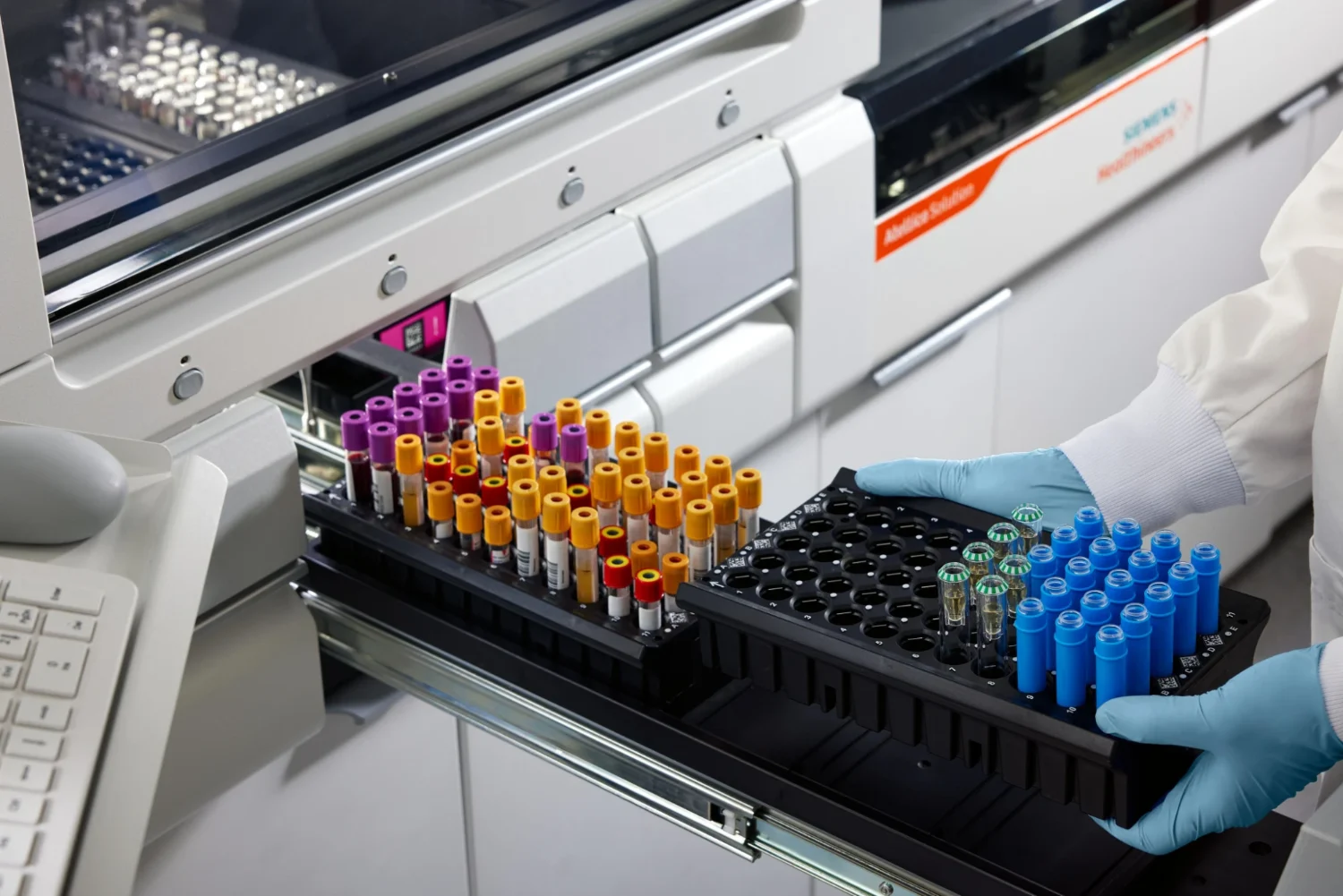
The delivered scope combined voice and chat interactions, a proprietary RAG system, provider web and mobile applications, biological-age estimation and diagnostic reporting. Integrations included GE and Samsung ultrasound systems and Roche cobas and Siemens Atellica laboratory platforms. Results are presented as delivery scope rather than quantified clinical outcomes.
Reported project figures. Selected experience of the team behind AIGard.
From scope to operations
The capabilities that connected the service journey.
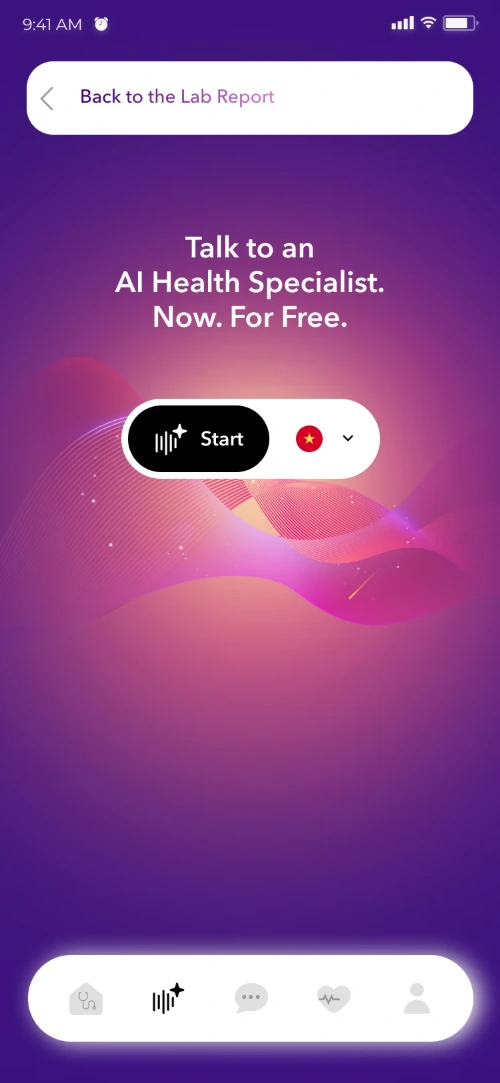
Voice and chat interfaces
ElevenLabs and OpenAI models supported conversational interaction, connected to a broader health-service experience rather than operating as a detached general-purpose chatbot.
Retrieval from a medical reference corpus
A proprietary RAG system supplied evidence-based standards, clinical guidelines and reference ranges to the AI workflow, with clinicians contributing feedback to response quality and safety controls.
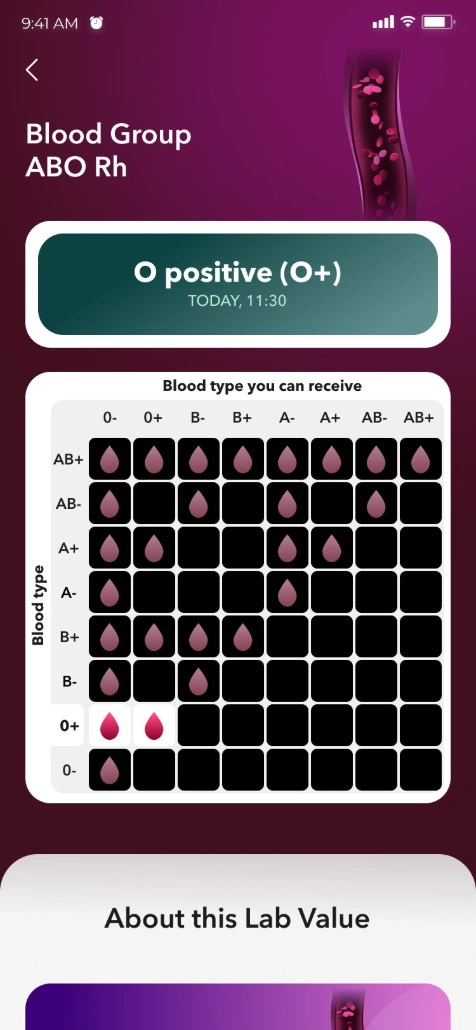
Integrated diagnostic reporting
The platform covered more than 100 laboratory panels, alongside sonography and maternity-planning workflows. Roche cobas and Siemens Atellica integrations connected assay outputs to patient and provider reporting.
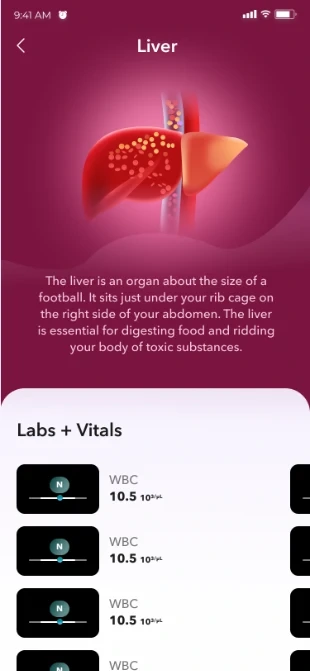
Longitudinal patient and provider experiences
Provider-facing web and mobile applications supported reporting, virtual consultations, longitudinal care and EMR integration, built on React, Flutter, Python and AWS.
Biological-age estimation
The platform estimated biological age using laboratory markers and demographic information. This was an analytical feature within the broader health record, not a standalone claim of validated longevity prediction.
Governance and control
Clinician feedback, curated reference content and response controls formed part of the AI development scope. Clinical review remained connected to the conversational experience.
 AI voice call
 Lab result
 Organ-system view
Technology and integration
The platforms behind delivery.
- Web application framework
- React
- Cross-platform application framework
- Flutter
- Application and AI language
- Python
- AI services
- OpenAI models, ElevenLabs
- Cloud infrastructure
- AWS
- AI application approach
- Retrieval-augmented generation
- Diagnostic imaging integrations
- GE and Samsung ultrasound systems
- Laboratory instrument integrations
- Roche cobas, Siemens Atellica
Flutter uses Dart. RAG is an application approach rather than a standalone vendor platform. Imaging and laboratory connections are distinct integrations. Technologies, equipment brands and companies are named to describe the work. They do not indicate endorsement or direct AIGard client relationships.
Relevance to enterprise leaders
Relevant to diagnostic operators and digital-health teams building AI experiences around real clinical workflows. The experience connects conversational interfaces, reference retrieval, laboratory systems, imaging and provider software.
Discuss an AI-enabled experience connected to your clinical data workflows.
Schedule a Call →More team experience
Other platforms our team has built.
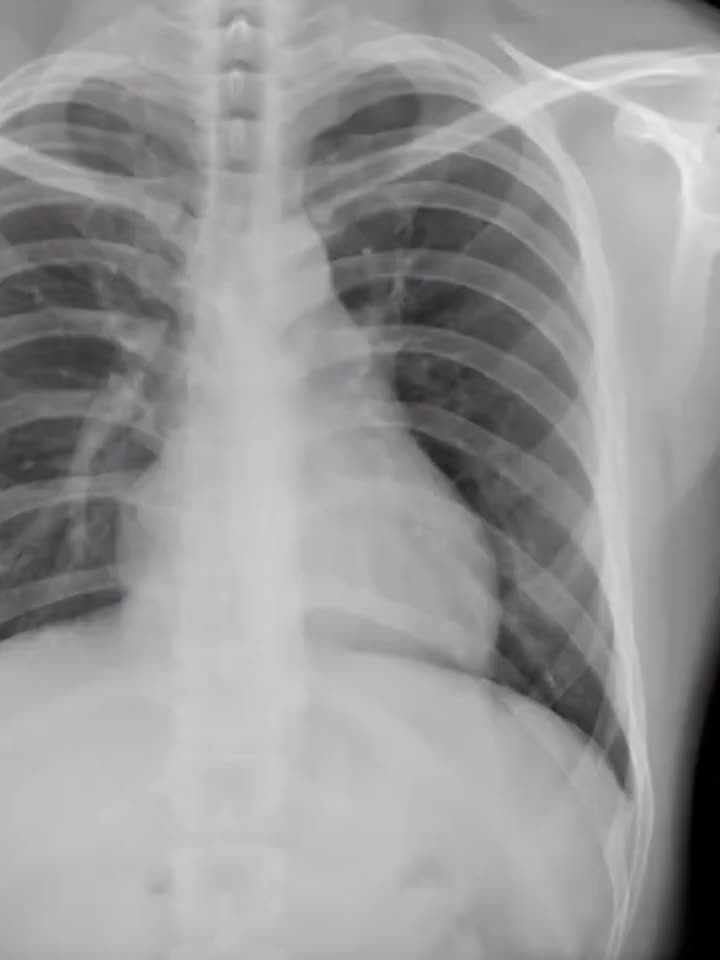
Applied AI in Healthcare
Diagnostic AI embedded in the clinician workflow.
Read the case study
Agentic Commerce for Distribution
Connecting enterprise data, product intelligence and commercial execution.
Read the case study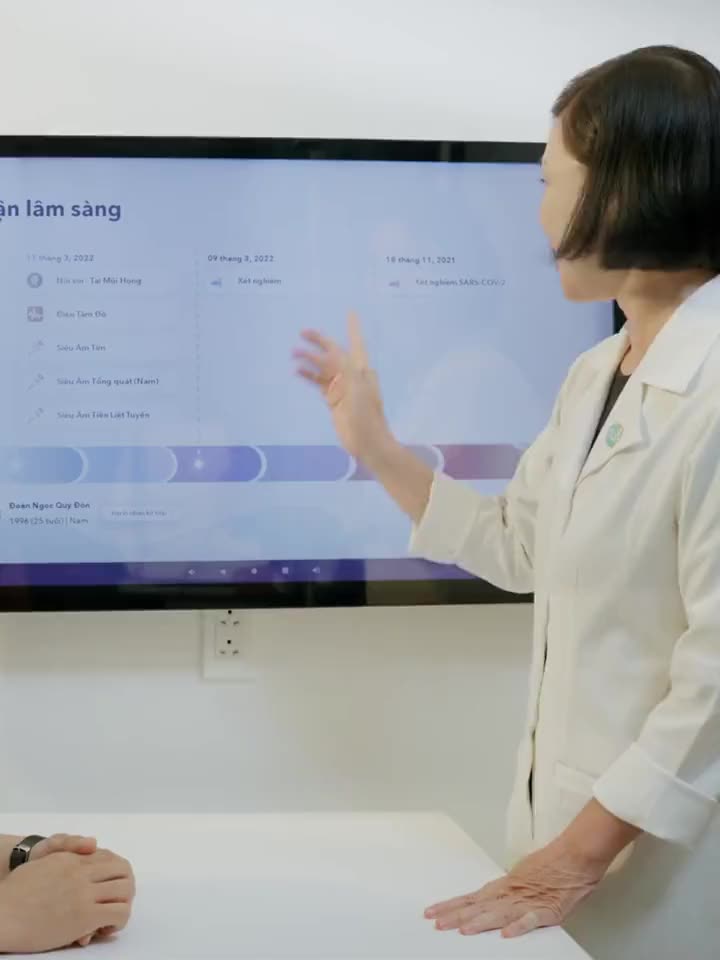
Smart Clinic
One operating platform for a multi-city healthcare network.
Read the case studyFAQ
All Health: frequently asked questions
What was delivered in the All Health project?
The team built an integrated healthcare platform connecting voice and chat AI with laboratory reporting, sonography, virtual consultations and provider workflows. All Health combined a medical reference corpus with access to diagnostic information across more than 100 laboratory panels.
The delivered scope combined voice and chat interactions, a proprietary RAG system, provider web and mobile applications, biological-age estimation and diagnostic reporting. Integrations included GE and Samsung ultrasound systems and Roche cobas and Siemens Atellica laboratory platforms. Results are presented as delivery scope rather than quantified clinical outcomes.
What business problem did All Health address?
The mandate was to turn fragmented diagnostic reports into a more accessible patient experience while preserving the connection to clinical review. The platform needed to connect instrument outputs, longitudinal records, conversational interfaces and provider tools within one product scope.
What capabilities did the All Health work include?
The work connected the following capabilities:
- Voice and chat interfaces. ElevenLabs and OpenAI models supported conversational interaction, connected to a broader health-service experience rather than operating as a detached general-purpose chatbot.
- Retrieval from a medical reference corpus. A proprietary RAG system supplied evidence-based standards, clinical guidelines and reference ranges to the AI workflow, with clinicians contributing feedback to response quality and safety controls.
- Integrated diagnostic reporting. The platform covered more than 100 laboratory panels, alongside sonography and maternity-planning workflows. Roche cobas and Siemens Atellica integrations connected assay outputs to patient and provider reporting.
- Longitudinal patient and provider experiences. Provider-facing web and mobile applications supported reporting, virtual consultations, longitudinal care and EMR integration, built on React, Flutter, Python and AWS.
- Biological-age estimation. The platform estimated biological age using laboratory markers and demographic information. This was an analytical feature within the broader health record, not a standalone claim of validated longevity prediction.
- Governance and control. Clinician feedback, curated reference content and response controls formed part of the AI development scope. Clinical review remained connected to the conversational experience.
Which technologies were used in All Health?
The reported technology and integration scope was:
- Web application framework: React
- Cross-platform application framework: Flutter
- Application and AI language: Python
- AI services: OpenAI models, ElevenLabs
- Cloud infrastructure: AWS
- AI application approach: Retrieval-augmented generation
- Diagnostic imaging integrations: GE and Samsung ultrasound systems
- Laboratory instrument integrations: Roche cobas, Siemens Atellica
Flutter uses Dart. RAG is an application approach rather than a standalone vendor platform. Imaging and laboratory connections are distinct integrations.
Are the figures in the All Health case study AIGard client results?
They are reported project figures and describe selected experience of the team behind AIGard.
The case study separates delivered scope and reported scale from measured outcomes. Technology and company references describe the work; they do not imply endorsement or a direct AIGard client relationship.
Which organizations is the All Health experience relevant to?
Relevant to diagnostic operators and digital-health teams building AI experiences around real clinical workflows. The experience connects conversational interfaces, reference retrieval, laboratory systems, imaging and provider software.
Can AIGard build something similar for us?
Yes. The same disciplines are available through staff augmentation, dedicated teams or software outsourcing.
Tell us what you are building, and on a 30-minute call we will recommend an engagement model, a team shape and first milestones.
How does AIGard protect our data and systems?
NDAs are signed before any access is given, and engineers work inside your environment under least-privilege access, with permissions limited to their responsibilities.
Access is reviewed as roles change and removed when work ends. Our practices align with ISO 27001, SOC 2, GDPR and HIPAA, with PII masking, encryption and audit logging built into data work. We review your access policies, data-handling needs and vendor requirements during scoping.
How quickly can AIGard engineers start?
Engineers typically start within two to four weeks of the scoping call. The exact date depends on the roles, seniority and number of people required.
We confirm a realistic start date in writing before you commit, and you meet the proposed engineers before work begins.