The business mandate
The mandate.
Move machine-learning outputs from a standalone model into the workflow where clinicians review the source study and patient record. The program needed separate approaches for images and waveforms, plus a usable presentation of findings within clinical software.
Executive priorities
- Develop for distinct data modalities. Chest-image and ECG waveform analysis used separate model-development approaches.
- Make outputs usable in context. Source studies, classification outputs and visual cues supported clinical review.
- Connect AI and application engineering. Python-based ML work joined cloud infrastructure and provider-facing software.
From diagnostic data to clinician-ready context. Separate imaging and waveform pipelines bring model findings into a reviewable clinical experience, with chest-image outputs connected to the provider EMR.
Model outputs support professional judgment.
Interpretation matters: reported dataset sizes and target classes describe project scope, not clinical accuracy. Imaging confidence scores are not clinical risk probabilities; heatmaps provide localization cues, not validated segmentation boundaries. Clinical decisions remain with the clinician. The diagram is a conceptual capability flow, not a deployment architecture.
Reported scale and delivery
What was delivered. At what scale.
The program reports more than 500,000 chest X-ray assets, 14 imaging target classes and 250,000 ECG assets. Delivered capabilities included classification, chest-image confidence scores, heatmap-style localization and EMR integration. Dataset scale and delivered functionality are distinguished from clinical performance claims.
Reported project figures. Selected experience of the team behind AIGard.
From scope to operations
The capabilities that connected the service journey.
Chest-image classification
The imaging pipeline addressed 14 reported target classes using public and proprietary chest X-ray assets, including pneumothorax, pleural effusion and pneumonia, with confidence scores for clinical review.
Localization alongside the source image
Heatmap-style outputs highlighted image regions associated with model findings. It is described as localization support, rather than a validated segmentation boundary or a clinical risk probability.
EMR-connected diagnostic support
The chest imaging experience brought model outputs into the provider EMR workflow, connecting analytical findings to the patient record and source study.
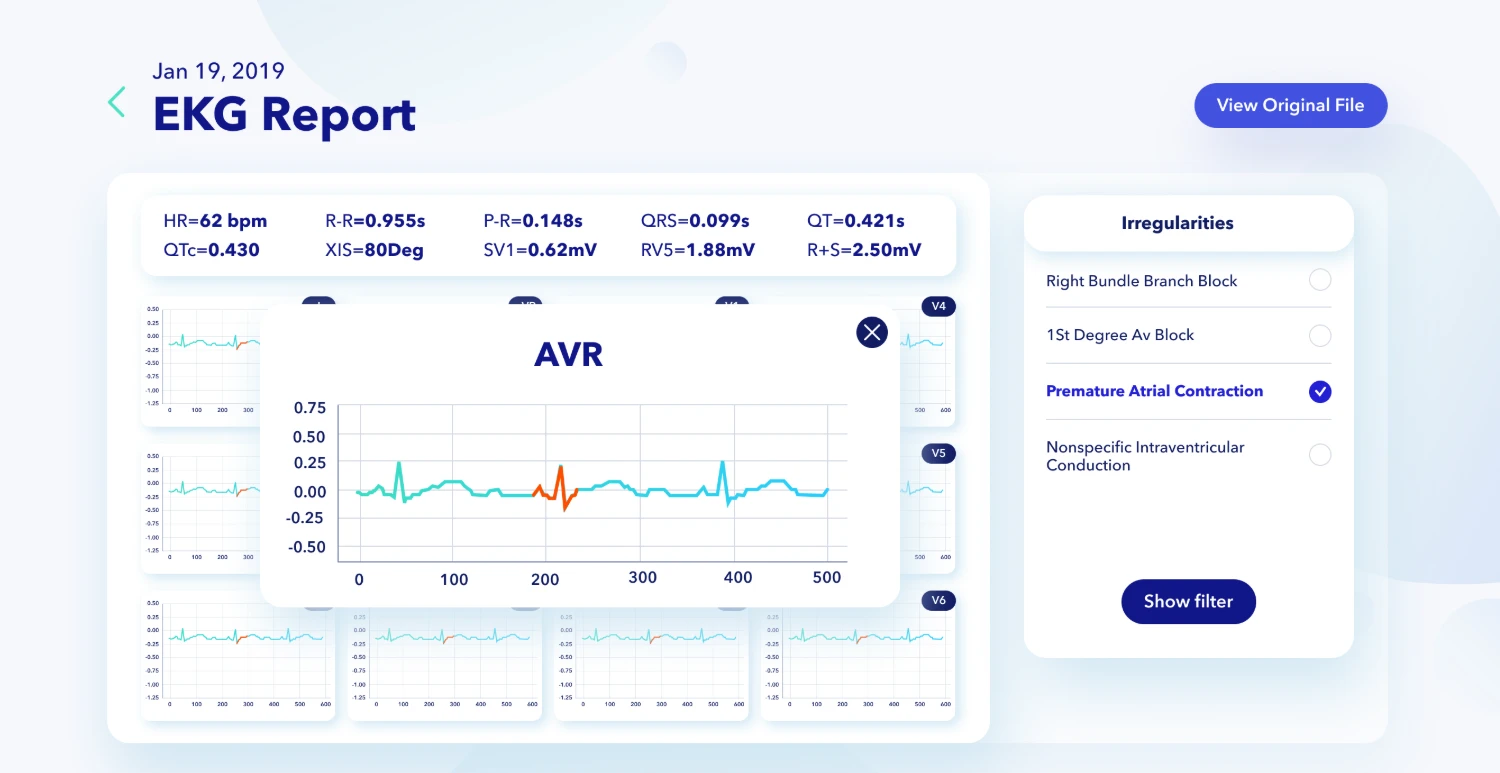
ECG waveform analysis
A separate neural-network pipeline analyzed ECG assets for classification, including arrhythmia-related findings. The Welch Allyn EKG platform was part of the diagnostic integration landscape.
Machine learning and application delivery
Python, PyTorch, TensorFlow, NVIDIA CUDA and AWS formed the ML and computing landscape, with Kotlin at the application layer.
Governance and control
Clinicians reviewed model outputs alongside source studies and patient context. Confidence scores and localization cues supported interpretation; they were not substitutes for professional judgment.
Technology and integration
The platforms behind delivery.
- Application language
- Kotlin
- Machine-learning language
- Python
- Machine-learning frameworks
- PyTorch, TensorFlow
- Accelerated computing platform
- NVIDIA CUDA
- Cloud infrastructure
- AWS
- ECG device integration
- Welch Allyn EKG platform
Kotlin is listed at the application layer. Python, the ML frameworks and CUDA describe the model-development and computing landscape. The presence of both ML frameworks does not imply that each model used both. Technologies, equipment brands and companies are named to describe the work. They do not indicate endorsement or direct AIGard client relationships.
Relevance to enterprise leaders
Relevant to healthcare product teams that need model development and workflow integration in one delivery scope. The experience combines diagnostic data, applied machine learning, accelerated computing and provider software.
Discuss an applied AI project connected to your operational workflow.
Schedule a Call →More team experience
Other platforms our team has built.
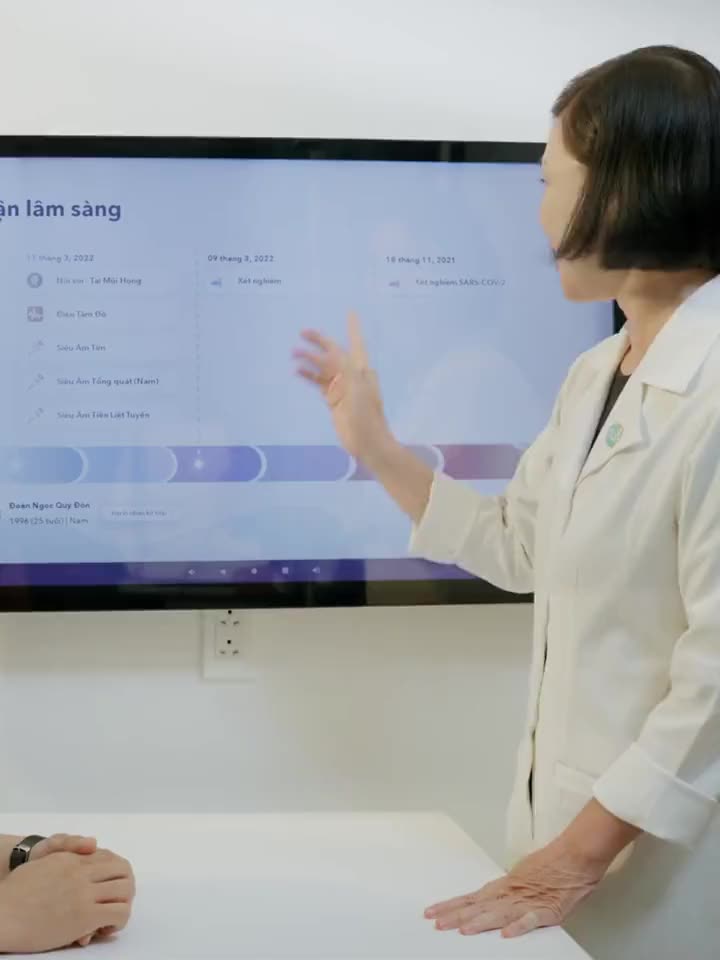
Smart Clinic
One operating platform for a multi-city healthcare network.
Read the case study
Telemedicine App
Specialist access connected to the next step in care.
Read the case study


Partner Pharmacy Platform
A commerce and supply platform for 3,600 partner pharmacies.
Read the case studyFAQ
Applied AI in Healthcare: frequently asked questions
What was delivered in the Applied AI in Healthcare project?
The team developed chest X-ray and ECG analysis capabilities, with imaging findings integrated into the provider EMR. The program combined modality-specific neural networks with confidence scoring and visual localization to support clinician review.
The program reports more than 500,000 chest X-ray assets, 14 imaging target classes and 250,000 ECG assets. Delivered capabilities included classification, chest-image confidence scores, heatmap-style localization and EMR integration. Dataset scale and delivered functionality are distinguished from clinical performance claims.
What business problem did Applied AI in Healthcare address?
The mandate was to move machine-learning outputs from a standalone model into the workflow where clinicians review the source study and patient record. The program needed separate approaches for images and waveforms, plus a usable presentation of findings within clinical software.
What capabilities did the Applied AI in Healthcare work include?
The work connected the following capabilities:
- Chest-image classification. The imaging pipeline addressed 14 reported target classes using public and proprietary chest X-ray assets, including pneumothorax, pleural effusion and pneumonia, with confidence scores for clinical review.
- Localization alongside the source image. Heatmap-style outputs highlighted image regions associated with model findings. It is described as localization support, rather than a validated segmentation boundary or a clinical risk probability.
- EMR-connected diagnostic support. The chest imaging experience brought model outputs into the provider EMR workflow, connecting analytical findings to the patient record and source study.
- ECG waveform analysis. A separate neural-network pipeline analyzed ECG assets for classification, including arrhythmia-related findings. The Welch Allyn EKG platform was part of the diagnostic integration landscape.
- Machine learning and application delivery. Python, PyTorch, TensorFlow, NVIDIA CUDA and AWS formed the ML and computing landscape, with Kotlin at the application layer.
- Governance and control. Clinicians reviewed model outputs alongside source studies and patient context. Confidence scores and localization cues supported interpretation; they were not substitutes for professional judgment.
Which technologies were used in Applied AI in Healthcare?
The reported technology and integration scope was:
- Application language: Kotlin
- Machine-learning language: Python
- Machine-learning frameworks: PyTorch, TensorFlow
- Accelerated computing platform: NVIDIA CUDA
- Cloud infrastructure: AWS
- ECG device integration: Welch Allyn EKG platform
Kotlin is listed at the application layer. Python, the ML frameworks and CUDA describe the model-development and computing landscape. The presence of both ML frameworks does not imply that each model used both.
Are the figures in the Applied AI in Healthcare case study AIGard client results?
They are reported project figures and describe selected experience of the team behind AIGard.
The case study separates delivered scope and reported scale from measured outcomes. Technology and company references describe the work; they do not imply endorsement or a direct AIGard client relationship.
Which organizations is the Applied AI in Healthcare experience relevant to?
Relevant to healthcare product teams that need model development and workflow integration in one delivery scope. The experience combines diagnostic data, applied machine learning, accelerated computing and provider software.
Can AIGard build something similar for us?
Yes. The same disciplines are available through staff augmentation, dedicated teams or software outsourcing.
Tell us what you are building, and on a 30-minute call we will recommend an engagement model, a team shape and first milestones.
How does AIGard protect our data and systems?
NDAs are signed before any access is given, and engineers work inside your environment under least-privilege access, with permissions limited to their responsibilities.
Access is reviewed as roles change and removed when work ends. Our practices align with ISO 27001, SOC 2, GDPR and HIPAA, with PII masking, encryption and audit logging built into data work. We review your access policies, data-handling needs and vendor requirements during scoping.
How quickly can AIGard engineers start?
Engineers typically start within two to four weeks of the scoping call. The exact date depends on the roles, seniority and number of people required.
We confirm a realistic start date in writing before you commit, and you meet the proposed engineers before work begins.